

“How can we democratically defend 100 percent of the UK population with only 0.7 percent actually doing the fighting?”
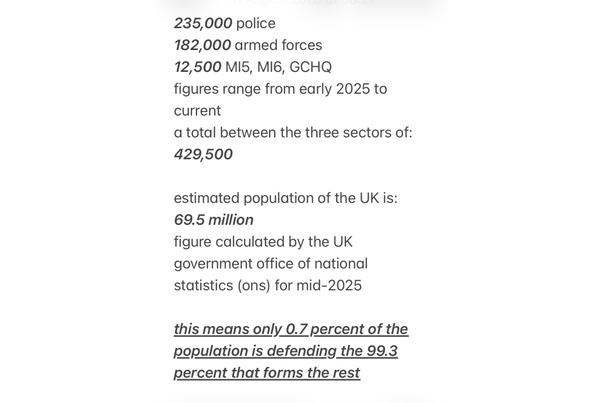
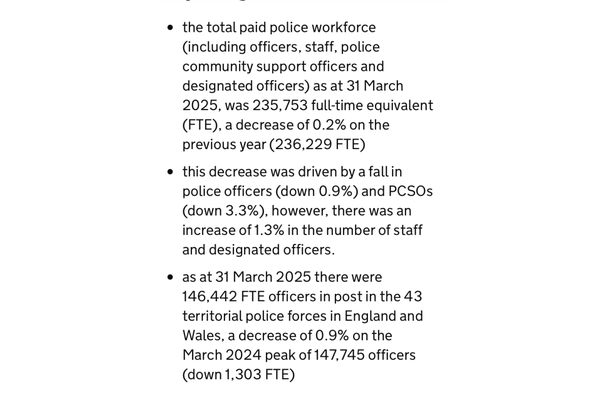
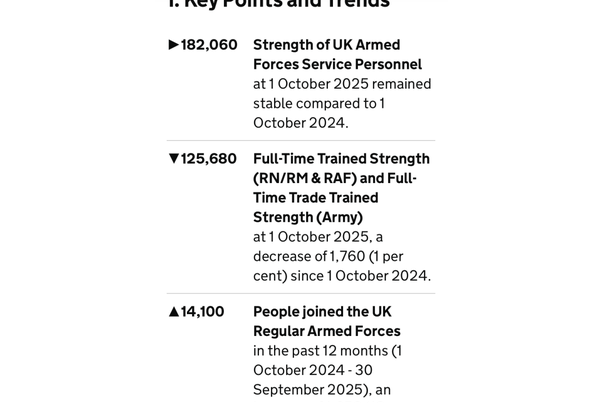
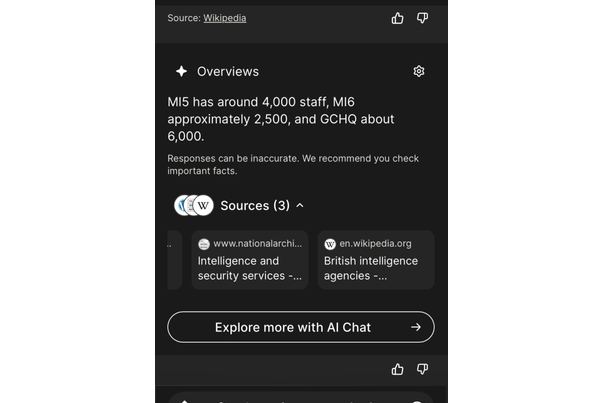
The 0.7 percent
The figures in the slide-show immediately above speak for themselves. The figures deliver the full terror of this reality: and governments over the years will have known this to be the case. It’s 0.7 percent who defend the 99.3 of the rest of us with anything like the professional training that current and increasing levels of hybrid and asymmetrical warfare are now demanding of far more of us.
How did we get here
Before we move on, we have to ask how we got here. It’s probably a result of believing that the only wars we faced would be conducted on traditional battlefields where the battle commenced with a public announcement, and on high streets that needed the force of law against organised crime more than the service of policing law-abiding communities. An “us versus them” mindset: in the end, we saw the citizens as part of the problem, never part of a new kind of solution.
But Putin, Russia, China, Iran, and North Korea to mention only a few respect no rules of engagement nor limit themselves to fighting for a geographical territory. For them, the cognitive is not only a domain but a way of understanding what you have the right to snatch from another. (I actually don’t believe it’s helpful to call it cognitive warfare, either: for me, the cognitive underpins everything we do in all aspects of life and death, including all other domains: https://i-ve.work/se/docs/machines. But that discussion would be suitable for an entire PhD thesis.)
In truth, we got here because we believed the best solution for a wider national security was for professionalised units and forces to be equipped for the two domains described — traditional and organised criminality (plus one not mentioned: espionage) — and for war against the UK to be a matter better hidden from the people. And the only way this could be achieved is to not engage them in any kind of defence at all. Not even that sort of defence we could argue they might be perfectly suited to. That of patriotically helping to harden their own cognitive, so that they didn’t any longer present a soft underbelly to the criminality of nation-states like China and nation-constructs like Russia out there.
What Secrecy One Ltd believes our next steps should be
Here at Secrecy One Ltd we don’t agree. I’ve read recently that 69 million compared to a Sweden’s 10 million explains why there they can advocate Total Defence and have government departments policy-making and delivering on the same, whilst here it’s enough to produce a war book encouraging us to stock up on tins of food and avoid dodgy links in emails scammers send. But this is no longer cybercrime. This has morphed into cyberwarfare already.
How Secrecy One Ltd differs from other cyber software
The virtue of our approach is that, through carefully innovative and cost-effective engineering, we have made it entirely legal and compatible with wider democratic principles of data detainment and storage to scan any device, any network, any individual, any organisation, and any digital context that aims to blur into the real world, potentially with a quite malicious intent and outcome.
Essentially, we propose that we don’t adjust the settings of our devices so much as detect where it’s digitally safer to be or not. But entirely democratically and with compliance to the fore. Something that not all governments have cared to do for quite a while.
Where we are different, then, is that we believe in everyone being everyone else’s keepers. This stretches back to my research in 2017 and my Criminal Justice MA on digital surveillance, and how such total surveillance as implemented undermined the traditional presumption of innocence.